In a world full of trends and fast fashion, it’s easy to get lost in the whirlwind of what’s “in” and what’s “out.” But when it comes to looking your best, nothing is more powerful than understanding your body type and dressing to enhance your natural shape. As a fashion blogger, I’ve seen how transformative this knowledge can be—not only for style but also for confidence. So, let’s dive deep into how to dress for your body type with real, effective strategies that work.
Why Dressing for Your Body Type Matters
Before we get into specifics, let’s understand why body-type dressing is so crucial. Every individual has a unique frame, and not every cut or silhouette suits everyone the same way. When you dress to highlight your best features, you draw attention where you want it and create a balanced, harmonious look. The result? You feel more comfortable, more confident, and more you.
Step 1: Identify Your Body Type
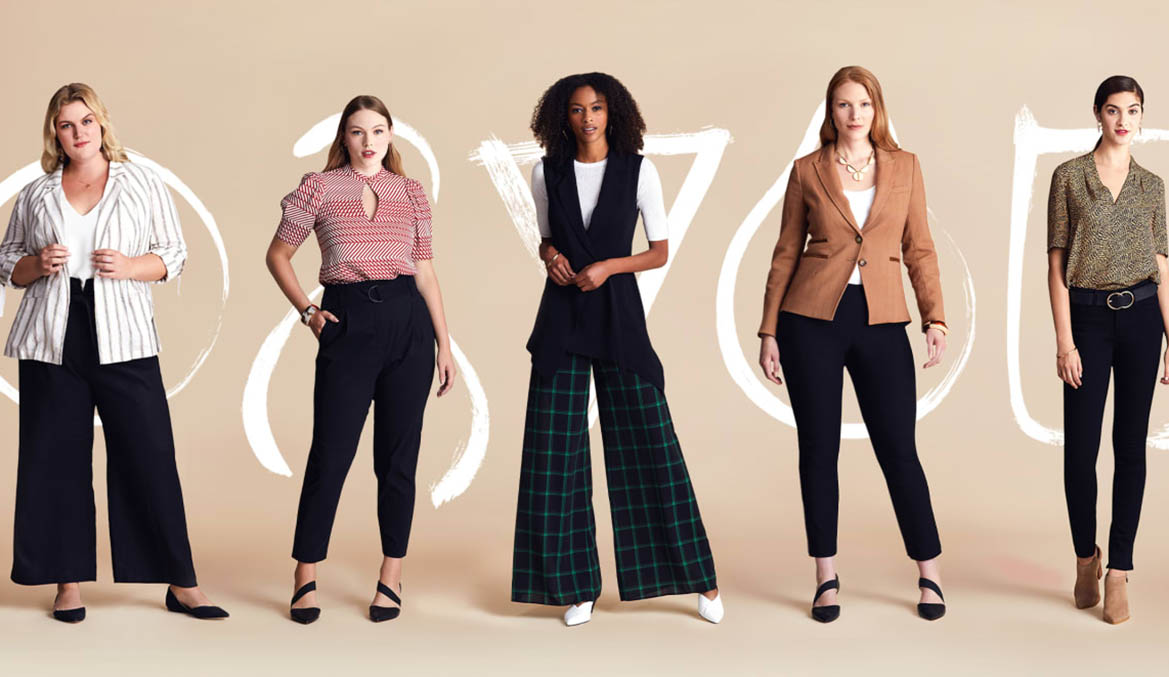
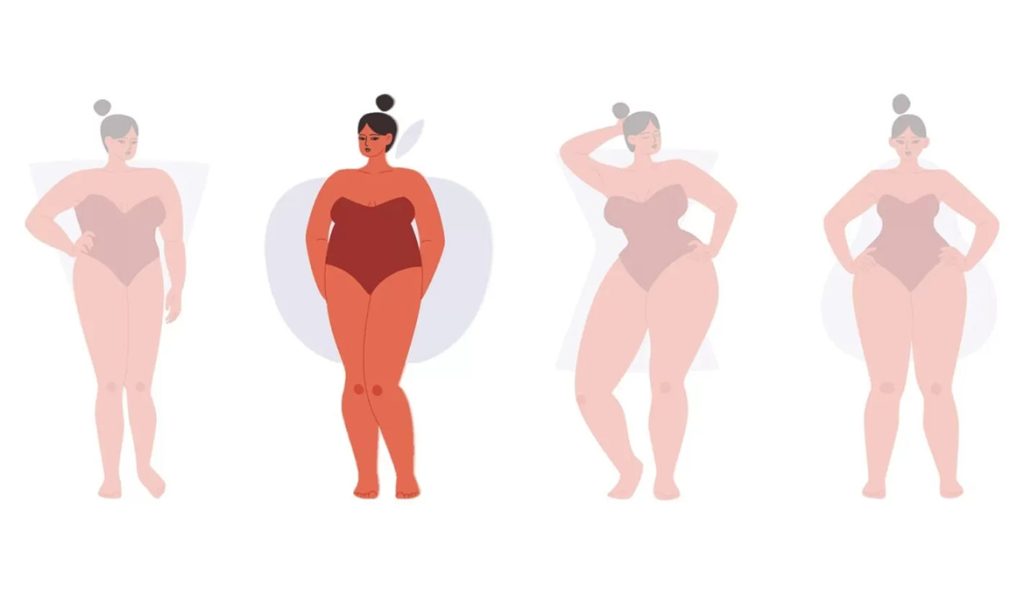
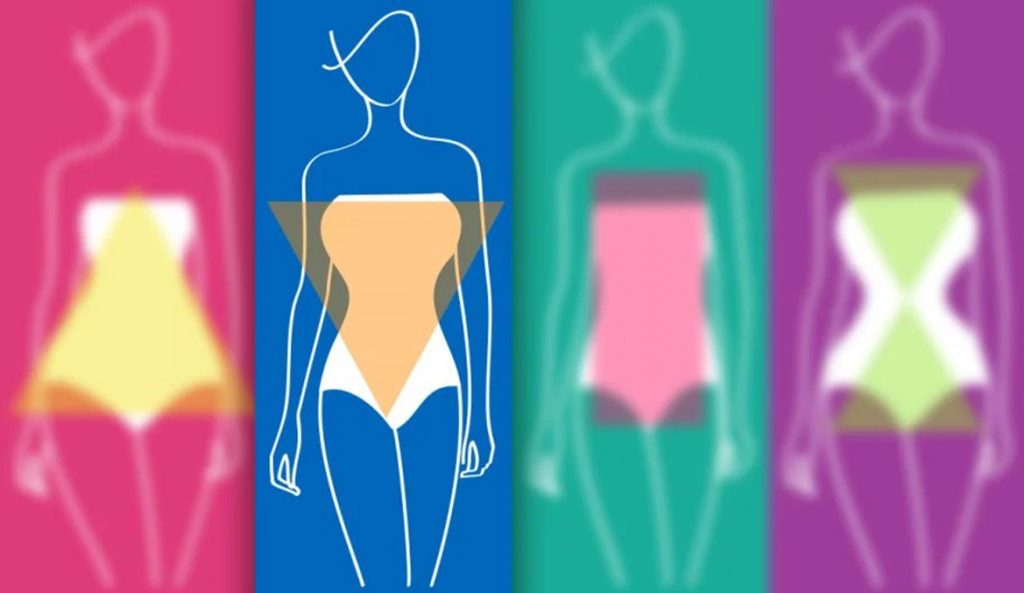
There are several body shapes, and while everyone is unique, most people fall into one of these general categories:
- Hourglass – Well-defined waist, balanced bust and hips.
- Pear (Triangle) – Hips are wider than shoulders, narrow upper body.
- Apple (Round) – Broader upper body, fuller waist, slimmer legs.
- Rectangle (Athletic) – Balanced proportions, little waist definition.
- Inverted Triangle – Broad shoulders, narrower hips.
Not sure which one you are? Stand in front of a mirror wearing form-fitting clothes and take note of your shoulder, waist, and hip proportions. Alternatively, take your measurements and compare.
Step 2: Dressing Strategies by Body Type
🍑 Pear-Shaped Body
Goal: Balance out wider hips by drawing attention to the upper body.
Dos:
- Embrace A-line skirts and dresses—they skim the hips beautifully.
- Choose structured tops, ruffled sleeves, or bold necklines to add volume up top.
- Go for wide-leg or bootcut pants that elongate your legs.
- Wear brighter colors or patterns on top, and darker shades on bottom.
Avoid:
- Overly tight bottoms or skinny jeans without balance.
- Long tops that end at the widest part of the hips.
🍎 Apple-Shaped Body
Goal: Elongate the torso and draw attention away from the midsection.
Dos:
- Go for empire waist dresses that flow under the bust.
- Wear V-necks and scoop necks to elongate the neckline.
- Choose structured jackets that skim the waist and hips.
- Opt for straight-leg or bootcut jeans with a mid-rise waist.
Avoid:
- High necklines and clingy fabrics around the stomach.
- Belts directly on the waist—try them under the bust instead.
⏳ Hourglass Body
Goal: Highlight the naturally balanced curves and defined waist.
Dos:
- Embrace wrap dresses, belted styles, and fit-and-flare silhouettes.
- Choose high-waisted pants and pencil skirts to accentuate curves.
- Use body-hugging fabrics that showcase your natural shape.
Avoid:
- Boxy, shapeless garments that hide your waist.
- Baggy clothes that overwhelm your proportions.
📏 Rectangle Body (Athletic Frame)
Goal: Create curves and define the waist.
Dos:
- Use belts to cinch and create a waistline.
- Choose peplum tops, ruffles, and tiered skirts for added volume.
- Try high-waisted pants to elongate and define the waist.
- Opt for structured blazers to create curves at the shoulders.
Avoid:
- Straight cuts with no waist emphasis.
- Baggy clothes that make you look boxy.
🔺 Inverted Triangle Body
Goal: Soften broad shoulders and add volume to the lower body.
Dos:
- Wear V-neck tops to break up shoulder width.
- Choose A-line or flared skirts and pants with detail at the hips.
- Use solid colors on top and bold patterns on bottom.
- Balance your silhouette with flowy fabrics and layered bottoms.
Avoid:
- Shoulder pads or puff sleeves.
- Very fitted tops with tight sleeves.
Step 3: The Power of Fabric, Fit, and Confidence
Knowing your body type is just the beginning. Great style also depends on choosing the right fabrics and ensuring the right fit.
Fabrics to Consider:
- Structured fabrics like denim, cotton, and twill provide shape.
- Flowy fabrics like chiffon and silk drape beautifully and are forgiving.
- Stretchy fabrics like jersey and elastane can hug or enhance curves.
Fit Tips:
- Always tailor key pieces—well-fitting clothes instantly elevate your look.
- Try clothes on in multiple sizes; fit can vary by brand.
- Don’t chase a number—chase the right fit for you.
And most importantly—wear your clothes with confidence. The most stylish people aren’t always wearing the trendiest outfits—they’re the ones who understand their body and dress accordingly.
Universal Style Tips for All Shapes
Regardless of body type, these tips work for nearly everyone:
- Monochrome looks elongate the figure and look effortlessly chic.
- Vertical stripes create a slimming, lengthening effect.
- Layering adds interest and can help balance proportions.
- Accessories like belts, shoes, and bags can draw attention where you want it.
- Posture matters—stand tall and own your outfit!
Fashion isn’t about hiding your body—it’s about celebrating it. It’s not about masking the parts you’re insecure about or squeezing yourself into trends that don’t serve you. It’s about understanding your natural shape and working with it—not against it. When you learn how to dress in a way that flatters your figure, enhances your features, and makes you feel confident, you begin to see fashion as a tool for empowerment, not comparison.
Dressing for your body type is not about rigid rules or outdated ideals—it’s about discovering what makes you feel amazing. It’s about finding silhouettes that bring out your best, colors that lift your mood, and fabrics that make you want to move and shine. Whether you’re curvy, petite, athletic, tall, or somewhere in between, there is no “wrong” way to have a body—only ways to dress it that feel more in tune with who you are.
Once you start recognizing what works for your shape, shopping becomes more intentional. You’ll no longer feel overwhelmed by racks of clothing or frustrated in fitting rooms. Instead, you’ll approach style with clarity. Getting dressed becomes a joy, not a chore. And perhaps most importantly, your self-esteem begins to grow—because you’re no longer trying to fit into someone else’s standard. You’re dressing for yourself.
Remember: fashion is a form of self-expression. It’s not just about clothes; it’s about how you show up in the world. It’s about the energy you project when you feel good in your skin and confident in your outfit. A great look doesn’t whisper—it speaks boldly, without a single word.
So the next time you stand in front of the mirror, don’t ask, “Does this follow the trend?” Ask instead, “Does this feel like me?” When fashion becomes personal, it becomes powerful. And that’s when true style begins.